Concrete Lifespan Explained: Key Factors That Determine How Long Your Surfaces Will Last
Concrete is one of the most durable building materials available, but how long can you really expect it to last? Whether you’re planning a new driveway, patio, or commercial project, understanding concrete longevity helps you make informed decisions and protect your investment. The lifespan of concrete varies significantly based on several key factors, from the quality of materials used to how well it’s maintained over time. In this guide, Top Notch Canberra Concrete breaks down what affects concrete durability and how to get the most from your concrete surfaces.
What Is the Average Lifespan of Concrete?
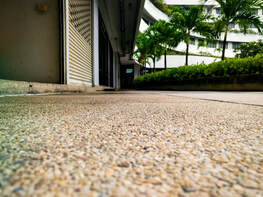
Under normal conditions, well-installed concrete can last anywhere from 30 to 100 years or more. A residential driveway typically lasts 25 to 50 years, while properly maintained concrete foundations can exceed 100 years. The wide range depends on the type of concrete application and how it’s used.
High-traffic commercial areas naturally experience more wear than residential patios. Similarly, decorative concrete surfaces may require more attention than basic grey concrete slabs. The thickness of the concrete also matters—thicker slabs generally withstand stress better and last longer than thinner applications.
It’s worth noting that “lasting” doesn’t always mean looking perfect. Concrete might remain structurally sound for decades while showing cosmetic signs of age, like minor surface wear or slight discolouration. Understanding this distinction helps set realistic expectations for your project.
High-traffic commercial areas naturally experience more wear than residential patios. Similarly, decorative concrete surfaces may require more attention than basic grey concrete slabs. The thickness of the concrete also matters—thicker slabs generally withstand stress better and last longer than thinner applications.
It’s worth noting that “lasting” doesn’t always mean looking perfect. Concrete might remain structurally sound for decades while showing cosmetic signs of age, like minor surface wear or slight discolouration. Understanding this distinction helps set realistic expectations for your project.
How Climate and Weather Conditions Impact Concrete Durability
Canberra’s climate presents unique challenges for concrete longevity. The region’s temperature fluctuations, from frosty winters to hot summers, create expansion and contraction cycles that can stress concrete over time.
Freeze-thaw cycles are particularly damaging. When water seeps into concrete and freezes, it expands and creates internal pressure. Repeated freezing and thawing can lead to surface scaling and cracking. While Canberra doesn’t experience extreme winter conditions, overnight frosts still impact concrete surfaces.
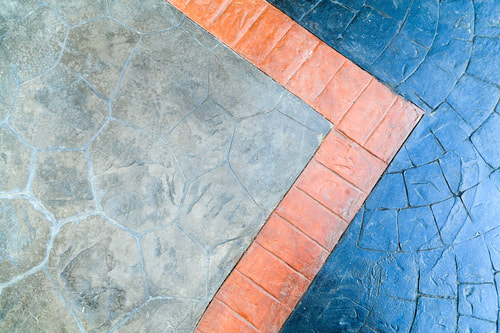
Excessive heat also affects concrete. During Canberra’s summer months, rapid drying can cause surface cracking if concrete isn’t properly cured. UV exposure can fade coloured or decorative concrete over time, though this doesn’t affect structural integrity.
Moisture is another critical factor. Poor drainage around concrete surfaces leads to water pooling, which accelerates deterioration. Top Notch Canberra Concrete always considers local weather patterns when planning installations, incorporating proper drainage solutions and appropriate concrete mixes for the region’s conditions.
Freeze-thaw cycles are particularly damaging. When water seeps into concrete and freezes, it expands and creates internal pressure. Repeated freezing and thawing can lead to surface scaling and cracking. While Canberra doesn’t experience extreme winter conditions, overnight frosts still impact concrete surfaces.
Excessive heat also affects concrete. During Canberra’s summer months, rapid drying can cause surface cracking if concrete isn’t properly cured. UV exposure can fade coloured or decorative concrete over time, though this doesn’t affect structural integrity.
Moisture is another critical factor. Poor drainage around concrete surfaces leads to water pooling, which accelerates deterioration. Top Notch Canberra Concrete always considers local weather patterns when planning installations, incorporating proper drainage solutions and appropriate concrete mixes for the region’s conditions.
The Role of Quality Materials and Mix Design in Concrete Longevity
Not all concrete is created equal. The mix design—the specific combination of cement, aggregates, water, and additives—directly impacts how long concrete lasts.
Higher cement content generally produces stronger, more durable concrete. The water-to-cement ratio is equally important; too much water weakens concrete, while too little makes it difficult to work with and can result in incomplete curing.
Quality aggregates matter too. Clean, well-graded stone and sand create a denser concrete with fewer voids where water can penetrate. Top Notch Canberra Concrete uses premium materials specifically selected for Australian conditions.
Modern concrete often includes additives that enhance performance. Air-entraining agents create tiny air bubbles that provide space for water expansion during freezing, reducing crack risk. Other additives improve workability, accelerate or slow curing, and increase resistance to chemicals and weathering.
Higher cement content generally produces stronger, more durable concrete. The water-to-cement ratio is equally important; too much water weakens concrete, while too little makes it difficult to work with and can result in incomplete curing.
Quality aggregates matter too. Clean, well-graded stone and sand create a denser concrete with fewer voids where water can penetrate. Top Notch Canberra Concrete uses premium materials specifically selected for Australian conditions.
Modern concrete often includes additives that enhance performance. Air-entraining agents create tiny air bubbles that provide space for water expansion during freezing, reducing crack risk. Other additives improve workability, accelerate or slow curing, and increase resistance to chemicals and weathering.
Why Proper Installation and Curing Make All the Difference
Even the best concrete mix won’t last if it’s poorly installed. Proper site preparation is essential—this includes adequate soil compaction, appropriate base layers, and a correct slope for drainage.
The curing process is equally critical. Concrete doesn’t dry; it cures through a chemical reaction that requires moisture and time. Rushing this process by allowing concrete to dry too quickly results in weaker surface layers prone to dusting, scaling, and cracking.
Professional installers like Top Notch Canberra Concrete understand that concrete needs at least seven days of proper curing, with 28 days required for full strength development. They use techniques like moisture retention blankets and curing compounds to maintain optimal conditions.
Control joints are another important installation detail. These intentional grooves guide where cracks appear, keeping them neat and controlled rather than random and unsightly. Proper reinforcement with steel mesh or fibres also significantly extends concrete lifespan by preventing cracks from spreading.
The curing process is equally critical. Concrete doesn’t dry; it cures through a chemical reaction that requires moisture and time. Rushing this process by allowing concrete to dry too quickly results in weaker surface layers prone to dusting, scaling, and cracking.
Professional installers like Top Notch Canberra Concrete understand that concrete needs at least seven days of proper curing, with 28 days required for full strength development. They use techniques like moisture retention blankets and curing compounds to maintain optimal conditions.
Control joints are another important installation detail. These intentional grooves guide where cracks appear, keeping them neat and controlled rather than random and unsightly. Proper reinforcement with steel mesh or fibres also significantly extends concrete lifespan by preventing cracks from spreading.
Maintenance Tips to Maximise Your Concrete’s Lifespan
Regular maintenance dramatically extends concrete life. Start with basic cleaning—remove debris, leaves, and dirt regularly to prevent staining and moisture retention. Periodic pressure washing keeps surfaces looking fresh.
Seal your concrete every two to three years. Quality sealers protect against moisture penetration, staining, and surface wear. This is especially important for decorative or coloured concrete.
Address small cracks promptly before they expand. Minor cracks can be filled with concrete caulk or patching compounds. Leaving them unrepaired allows water infiltration that leads to bigger problems.
Keep drainage systems clear and functioning. Gutters, downspouts, and drainage channels should direct water away from concrete surfaces. Standing water is concrete’s worst enemy.
Seal your concrete every two to three years. Quality sealers protect against moisture penetration, staining, and surface wear. This is especially important for decorative or coloured concrete.
Address small cracks promptly before they expand. Minor cracks can be filled with concrete caulk or patching compounds. Leaving them unrepaired allows water infiltration that leads to bigger problems.
Keep drainage systems clear and functioning. Gutters, downspouts, and drainage channels should direct water away from concrete surfaces. Standing water is concrete’s worst enemy.
Ready for Long-Lasting Concrete?
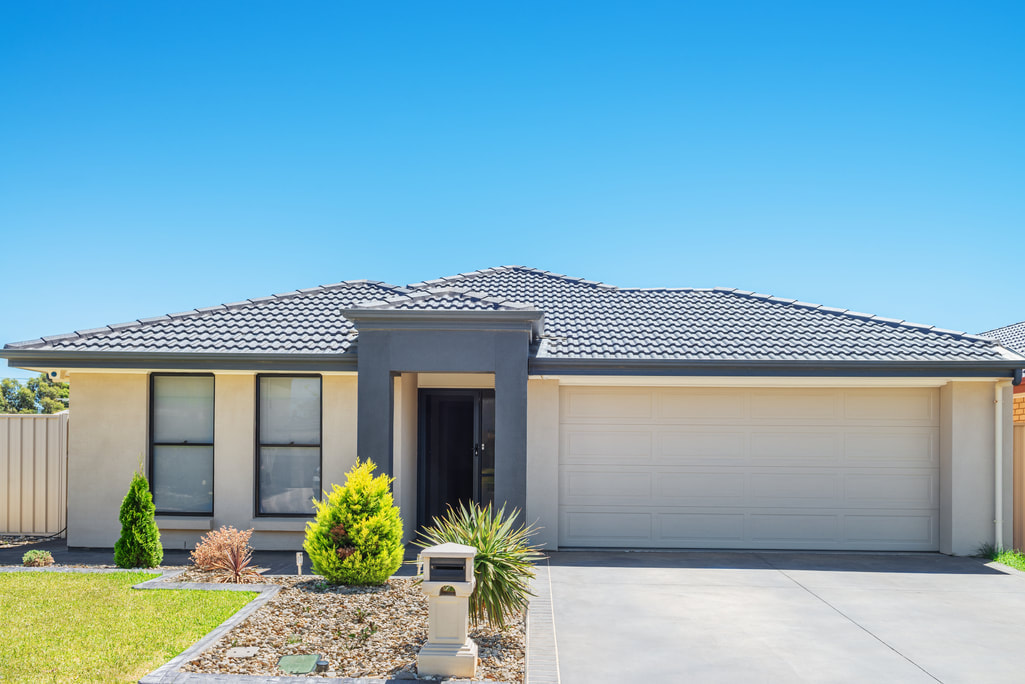
When properly installed and maintained, concrete provides decades of reliable service. Top Notch Canberra Concrete combines quality materials, expert installation techniques, and a deep understanding of local conditions to deliver concrete that stands the test of time. Contact them today to discuss your project and ensure your concrete investment lasts for generations.
from Concreting Services Canberra – Blog https://ift.tt/vtYbGkT
via IFTTT
from Top Notch Canberra Concrete https://ift.tt/UYiRzWy
via IFTTT


Comments
Post a Comment